Affordable Housing & Homelessness
City government has many responsibilities to the people living in Providence but managing smart development projects with a focus on resiliency and equity tops the list. Currently, the decisions made about new development projects hide behind inaccessible and opaque discourse. A more transparent process improves accountability, prevents special interests and loopholes, and allows for a more effective and interactive discussion on true community benefits. Today's crises of inequality, lack of affordability, environmental issues, and traffic congestion need a new approach. John seeks to reform the planning and development processes to usher in smart development all while protecting the historic vibrancy and nuances of each neighborhood in Ward 1.
What We've Accomplished Together In My 1st Term
Advocated for Smart Development & Affordable Housing Across The City
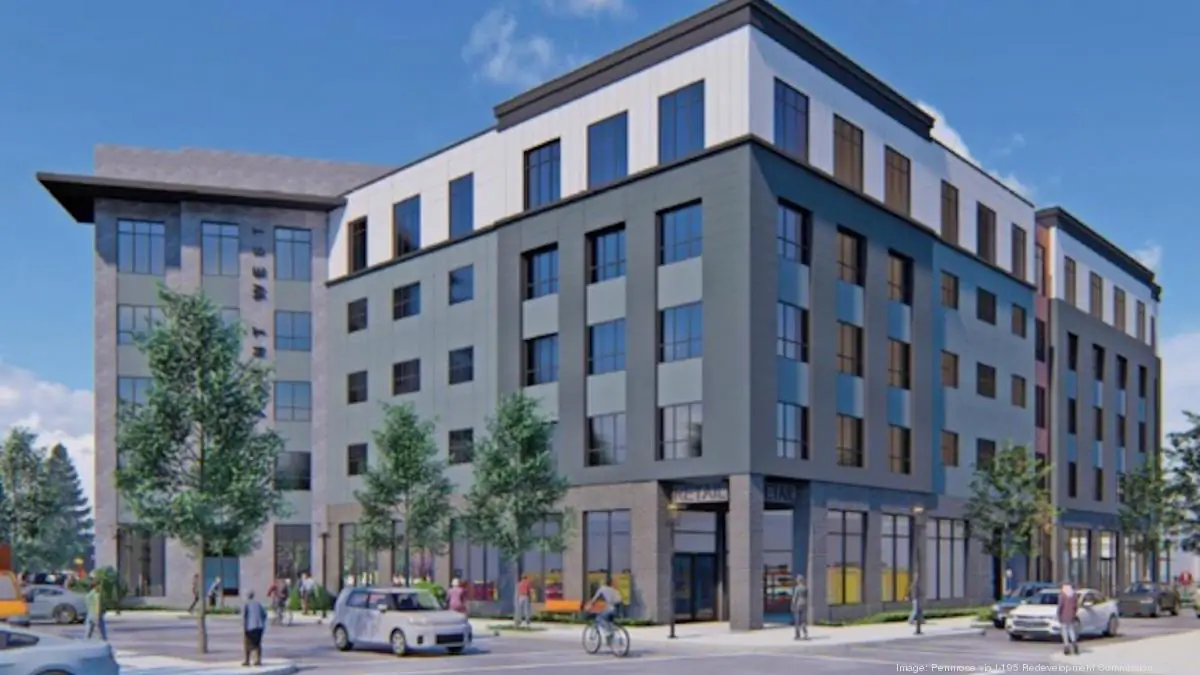
• Supported community-oriented development that helped address our affordable housing crisis such as Parcel 9, which is a mixed-use development of 131 units including 41% affordable housing, 18% workforce housing, and 41% market-rate housing with a focus on sustainability. Additionally, in an effort to advocate for Ward 1 families, we introduced the developer to local childcare providers and urged the developer to use retail space to serve the community, which will result in a planned childcare space that will serve approximately 50 families.
Passed Legislation Calling For The City Planning Commission (CPC) To Conduct Periodic Workshops On Zoning Practices & Procedures
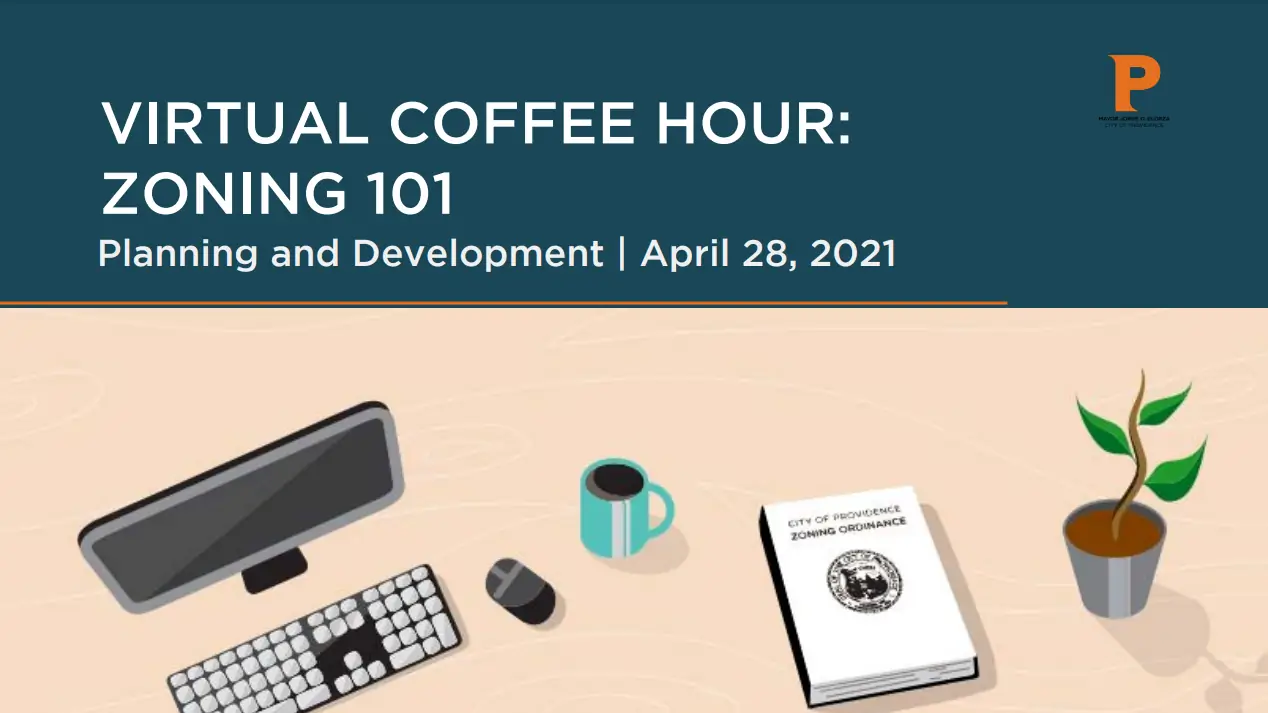
• Lead sponsor on passed legislation calling for the City Planning Commission (CPC) to conduct periodic workshops on zoning practices and procedures. The goal of this is to expand engagement and to make city planning more accessible and transparent. Furthermore, this is to ensure our neighborhood residents have a better understanding and voice in zoning-related matters that impact us. Read more here and here.
Passed Ordinance Expanding the College Hill Historic District Overlay
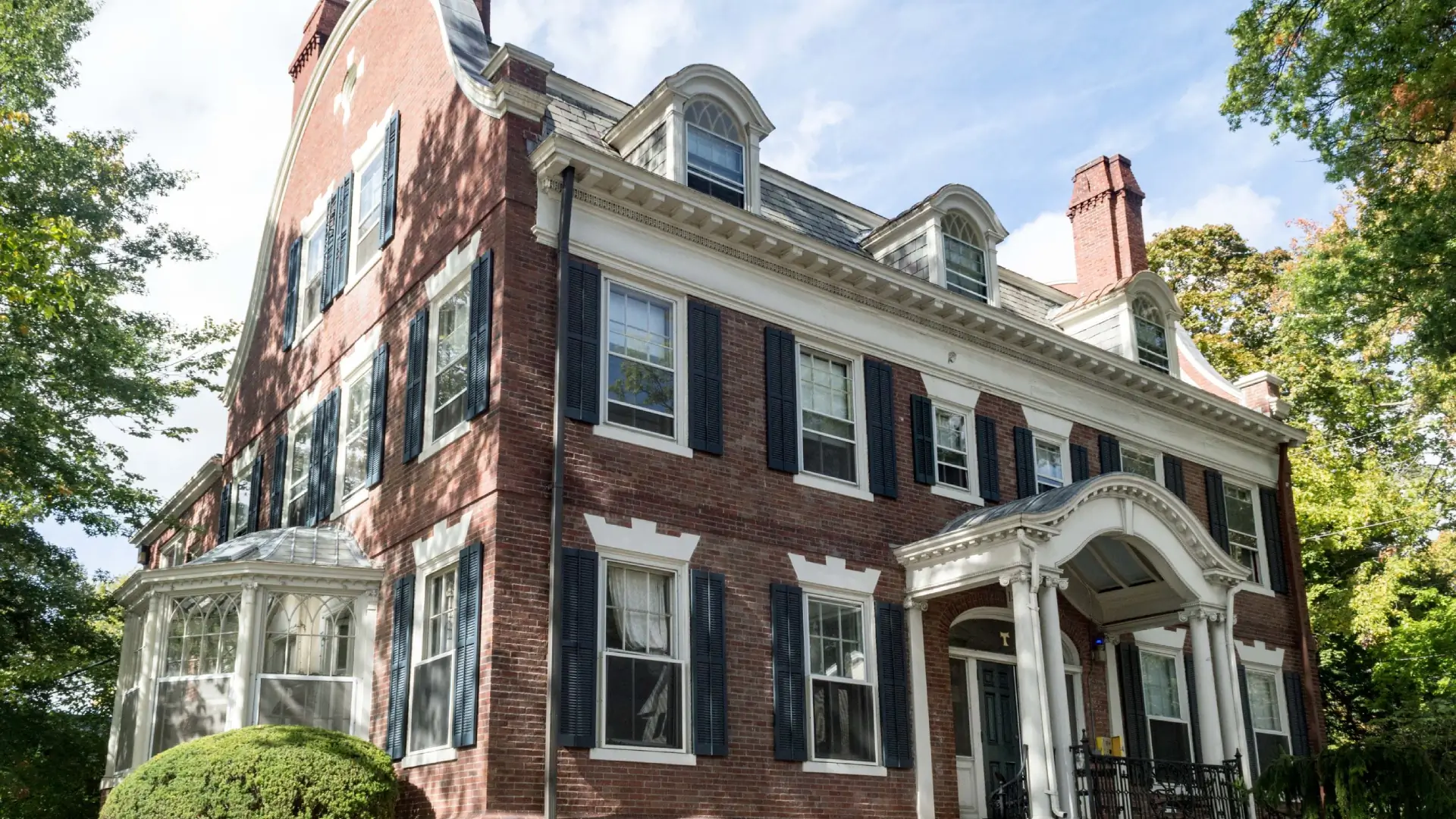
• Lead sponsor on a passed ordinance expanding the College Hill Historic District Overlay by close to 90 properties to protect the historic vibrance and fabric of our beautiful neighborhood. This law codifies historic preservation and prevents the undermining or demolition of historic homes. Read more here, here, and here.
Passed Ordinance Requiring Notification Upon The Issuance Of A Demolition Permit
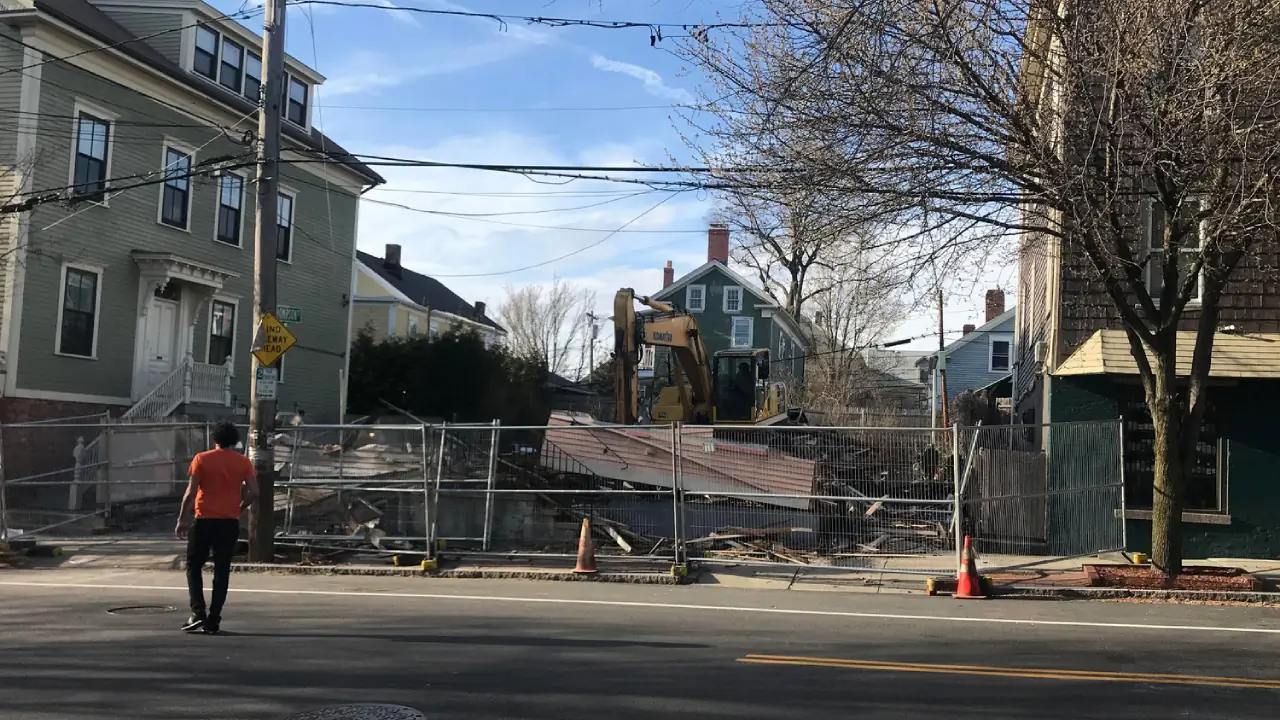
• Lead sponsor on a passed ordinance requiring notification upon the issuance of a demolition permit and holding developers accountable for failure to do so. This law will result in our neighborhood from being blindsided by demolitions as we experienced with the Duck & Bunny in Fox Point. Read more here and here.
Put The Community First & Fought Tirelessly To Check Brown University Expansion
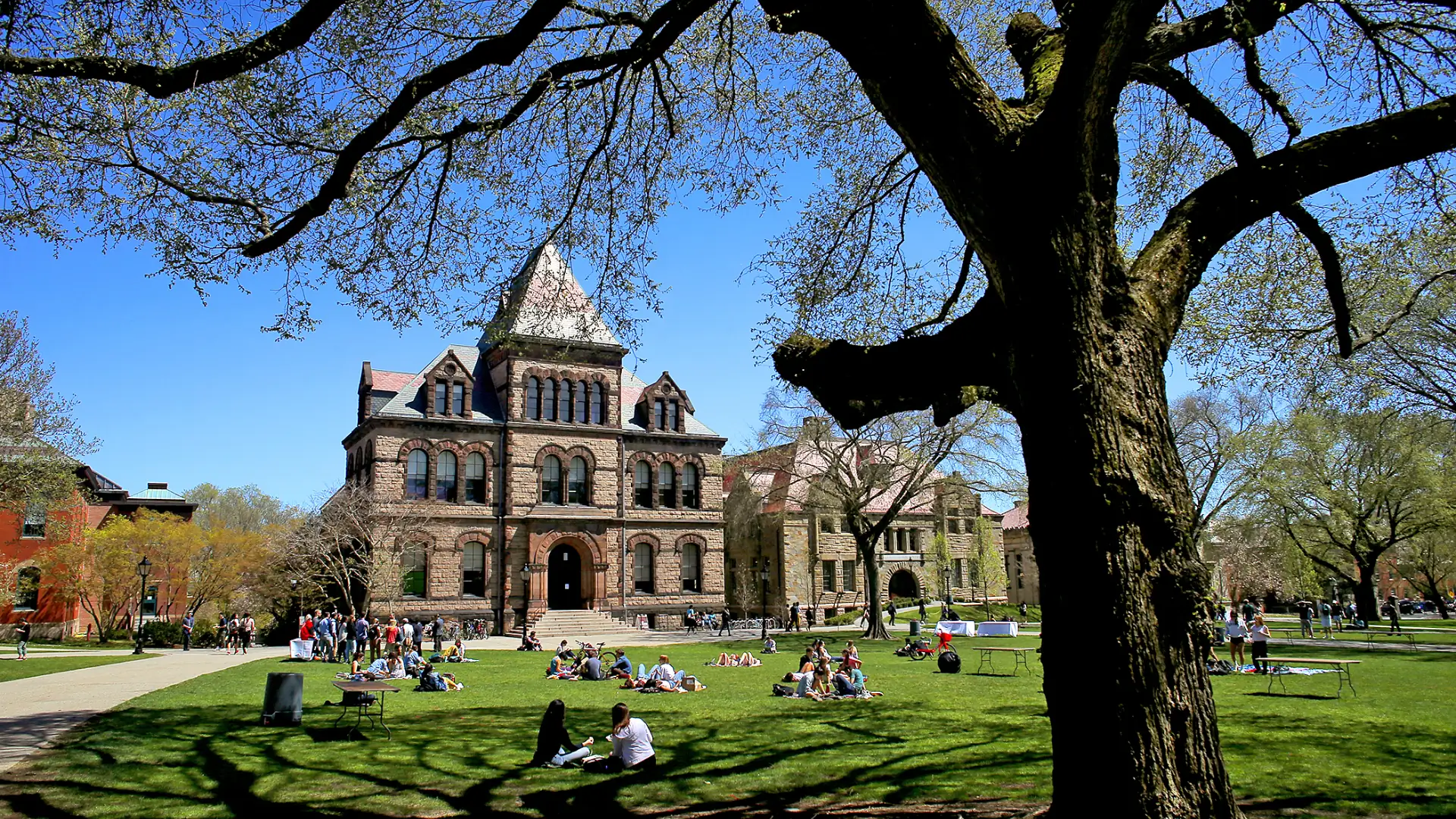
• Led the advocacy to over 1,100 neighborhood residents to ensure that Brown made changes to its Brook Street dorm development. While Brown didn't entirely concede, we held them accountable to the neighborhood and pushed the University to make critical concessions. Additionally, we called on for Brown to alleviate more taxation burden on East Side/city residents and do more for the City of Providence. Read more here, here, here, and here.
Addressing Homelessness: Downtown Providence Overdose Hotspot Assessment and Harm Reduction Response
Recognized the findings of the Downtown Providence Overdose Hotspot Assessment and called for sustained funding and expanded resources to address the opioid crisis. The resolution supported evidence-based interventions and encouraged collaboration among government agencies, healthcare providers and community organizations to reduce overdose deaths and improve public health outcomes.
What We've Accomplished Together In My 2nd Term
Providence RENT Relief Fund
Authored and secured Providence's first municipal rental assistance program, providing $1 million in emergency assistance to renters facing housing instability, eviction, utility shutoffs and financial emergencies. The program helps families remain housed while preventing homelessness before it occurs.
Housing Equity Framework & Anti-Displacement Resolution
Sponsored and supported efforts to develop a citywide Housing Equity Framework and Anti-Displacement Strategy focused on ensuring growth benefits existing residents, reducing displacement pressures and promoting equitable development throughout Providence.
Anti-Rental Price Gouging Ordinance
Introduced legislation designed to increase oversight of excessive rent increases while strengthening housing safety monitoring and enforcement mechanisms. The legislation reflects the belief that housing should serve people, not speculation.
Holding Corporate Landlords Accountable
Advocated for enforcement actions against landlords accused of utilizing illegal algorithmic rent-setting software to artificially increase rents and reduce affordability. Worked directly with affected tenants and called for accountability when housing practices harm residents.
Independent Housing Impact Analysis
Called for an independent third-party study examining the impacts of housing policy on renters, homeowners, affordability, displacement, assessed values and property taxes to ensure future housing decisions are driven by facts and evidence.
Expanding Affordable Housing Production
Consistently supported efforts to increase housing production, promote transit-oriented development, encourage adaptive reuse of vacant properties and create more opportunities for residents to access safe and affordable housing.
Our Goals For The Next Four Years
The opportunity to afford a safe and healthy home is a right that not all Providence residents have at this time. Unfortunately, many do not have accessible, affordable housing, and many struggle with their monthly rent payments. The eviction crisis that has spread across the country due to COVID-19 economic impacts has settled in Providence in a serious way. Families should not have to live in fear of eviction due to circumstances outside their control. When it comes to affordable housing and access, John plans to go after resources to construct affordable living communities and reduce homelessness. These initiatives will include zoning reforms, community land trusts, and other efforts to create long-term positive effects for individuals and families.
Build Housing at Every Income Level
Providence cannot solve its housing crisis without building more homes. We must increase housing production while ensuring growth benefits residents. Goals include:
• Expanding affordable housing production, especially in the neighborhoods that need it most.
• Encouraging mixed-income development
• Supporting workforce housing
• Increasing family-sized housing
• Promoting transit-oriented development
• Supporting adaptive reuse of vacant and underutilized buildings
• Being a vocal champion of the Providence BUILD Act to utilize its tax stabilization framework for affordable housing development
Create a Housing Stability Initiative
Too many housing resources are fragmented and difficult to navigate. Providence should establish a centralized Housing Stability Initiative that connects residents with assistance before they experience crisis. The initiative would provide:
• Rental assistance
• Foreclosure prevention
• Homeownership counseling
• Senior housing support
• Legal assistance
• Housing navigation services
• A centralized hub connecting renters, homeowners, seniors and first-time buyers with emergency resources, legal aid and neighborhood-based wealth-building ownership models
Protect Residents From Displacement
Growth should create opportunity, not displacement. Goals include:
• Expanding anti-displacement programs
• Protecting longtime homeowners
• Strengthening tenant protections
• Expanding eviction prevention programs
• Supporting community land trusts
• Encouraging community ownership models
• Codifying a City-Wide Tenant Bill of Rights that establishes the right to counsel in eviction proceedings (modeled on the Eviction Defense Collaborative), mandatory advance notice of rent increases, just-cause eviction protections requiring documented reasons and strong anti-retaliation safeguards for tenants who organize or complain.
• Expanding Community Land Trusts (CLTs) by directing the Providence Redevelopment Agency to convert vacant, city-owned, shovel-ready and underutilized parcels into CLT-held permanently affordable housing, prioritizing areas like the Jewelry District and near I-195 redevelopment land, while backing state legislation authorizing municipal funding for CLT land acquisition.
• Implementing an Anti-Speculation & Anti-Displacement Toolkit, including a transfer tax on short-term property flips (properties sold within 2 years of purchase), a vacant property registry and fee to disincentivize land banking and strict opposition to the demolition of naturally occurring affordable housing (NORCs) without mandatory replacement requirements.
• Accelerate Accessory Dwelling Units (ADUs). Providence's ADU certificates of occupancy fell from 2024 to 2025, showing we are not moving fast enough. To eliminate the $90,000+ in soft costs that stall development, we will establish a guaranteed 60-day permitting fast-track for code-compliant ADU applications, launch a city-administered low-interest ADU loan program for owner-occupants earning under 120% AMI and partner with RISD and Brown University architecture programs to offer free, pre-approved ADU design templates.
Expand Homeownership Opportunities
Homeownership remains one of the most powerful tools for building generational wealth. Goals include:
• First-time homebuyer assistance
• Shared-equity homeownership programs
• Down payment assistance
• Financial education programs
• Neighborhood wealth-building initiatives
End Homelessness Through Prevention
The most effective way to address homelessness is preventing it. Goals include:
• Expanding emergency housing assistance
• Strengthening partnerships with service providers
• Increasing shelter capacity
• Supporting permanent supportive housing
• Investing in mental health and addiction recovery services
Holding Institutions & Utilities Accountable
Brown University's expansion has historically been a primary driver of displacement and gentrification in our neighborhoods. Fox Point was once a thriving neighborhood of working-class immigrants, but expansion and the off-campus student housing market have heavily altered neighborhood dynamics. Today, the income needed to purchase a median-priced home on the East Side is $188,000 per year - more than twice the rest of Providence's median of $69,000. This massive gap is driven in large part by the "Brown premium". Brown is a $7.9 billion institution operating in a city where the median renter struggles to make rent. This relationship must be fundamentally renegotiated. We stopped the Brook Street development from steamrolling this neighborhood. Now we make sure every future Brown project comes with real community benefits, not just promises. At the same time, residents face corporate extraction from private entities like Rhode Island Energy, which continues to squeeze working families with unfair utility rate hikes.
• Establish a Formal Community Benefits Agreement (CBA) Framework: We will push for a formal CBA requirement for any institutional development within one mile of campus. This framework mandates community review, local hire requirements, affordable housing set-asides and commitments to childcare and community space. This is modeled on the successful Parcel 9 approach which achieved 41% affordable and workforce housing with childcare.
• Renegotiate PILOT (Payment in Lieu of Taxes) Agreements: Because Brown University's tax-exempt status costs Providence tens of millions of dollars annually, we will call for a structural renegotiation of the PILOT agreement. Any increases in payments must be explicitly tied to affordable housing commitments and localized community investments rather than general city operations.
• Implement Student Housing Density Requirements: Advocate for zoning updates requiring that any new institutional academic buildings triggering student enrollment growth must include proportional, dedicated on-campus housing to directly alleviate off-campus rental market pressure on residential neighborhoods.
• Fight Private Utility Rate Gouging: Stand firmly against corporate extraction by aggressively opposing Rhode Island Energy's ongoing utility rate increases, ensuring that working families are protected from unfair and excessive monthly cost burdens
Fighting the Post-COVID-19 Pandemic Housing Crisis
The unprecedented circumstances surrounding the COVID-19 pandemic have led to increased struggles when it comes to maintaining housing for many people in the city. The looming eviction and foreclosure crisis will spell disaster for the overall economic, education, health, and safety situations of Providence residents. We must work quickly to offer sufficient support to families facing housing loss. Rental relief and other programs must be put into place for the good of our communities and future.
Planning Safe Communities With Resilience
A focus on resiliency helps to ensure future success for Providence and its families. The looming housing crisis points to large-scale displacement that would negatively affect the city for a long time to come. The creation of a strong and focused city planning department must include plans to maintain a residence here for people with disabilities and seniors. John's ideas for repairing and revitalizing the broken residential development system will bring about these essential changes.
Protecting Tenants With a Stable Rental Market
The rental market in Providence and across the country suffers due to the COVID-19 pandemic. Tenants in the city struggle with worry and uncertainty about their future housing. Action focused on stabilizing the rental market for short and long-term tenants is an essential part of the type of protection that Providence must adopt. This includes a right to seek counsel for legal issues. The time has come to close commercial loopholes so renters feel secure against potential displacement, increasing prices, and public safety concerns.
Finding Solutions for Homelessness
Bottom line, as a city, we struggle with temporary and chronic homelessness and need solutions that lead to long-term, accessible, and helpful housing options. Proper housing affects all public health issues and community problems in Providence. Investment and coordination of strong partnerships with a variety of services including addiction disorder treatment, mental health care, support for those with disabilities, and overall focus on assistance for anyone currently in an unstable housing situation.
Standing Up to Long-term Racism and Discrimination
A large portion of housing instability for POC and Black communities stems from racially insensitive practices like exclusionary zoning and redlining. These unfortunate and illegal practices have drastic repercussions in Providence and across the country. For example, the South Side of the city has a lower life expectancy and higher COVID-19 infection rate than the East Side. This and other inequality issues stem directly from structural racism and its effect on the city's zoning practices and housing policies. We must work together to transform an unequal system into one without discrimination and the horrible effects of it.